
Photo: Renek78 (2024-07-18). CC0. Resized, converted to WebP and displayed with a crop.
9-Hour Stopover in Qatar: Is It Worth Exploring?
9-hour Qatar stopover: is it worth exploring Doha? Honest time breakdown, risk assessment, and best activities for short layovers.
Category: Expat-Tips
Topic hub: Airport and Layovers
Quick answer: Yes—a 9-hour stopover in Qatar gives you 4.5 to 5 hours of net city time in Doha after allowing 60 minutes for HIA immigration and 2.5 hours for return airport security. Take the Doha Metro Red + Gold Line (18 mins, QAR 2 / $0.55) to visit Souq Waqif, the Museum of Islamic Art (QAR 50 / $13.75), and the Corniche waterfront, or claim a free Qatar Airways STPC transit hotel if your connection is 8–24 hours with no shorter flight available.
The nine-hour stopover represents a particularly interesting decision point for travelers—long enough that exploration becomes genuinely feasible yet short enough that risks and logistics require careful consideration. The worthiness question hinges on individual priorities, risk tolerance, and specific circumstances, but the case for exploration generally outweighs staying airport-bound when passengers understand what's involved.
2026 9-Hour Doha Stopover Schedule: Daytime vs. Late-Night Cost & Timing Matrix
| Time Block (Gate-to-Gate) | Daytime 9-Hour Layover Track | Late-Night / Midnight 9-Hour Track | 2026 Cost (QAR / USD) |
|---|---|---|---|
| Hour 0:00 – 1:00 | Deplane, clear e-Gate/Immigration & board Red Line Metro at HIA T1 | Deplane, clear Immigration & take Karwa Taxi / Uber from Arrivals | Metro: QAR 2 ($0.55) | Night Taxi: QAR 35–45 ($10–$12.50) |
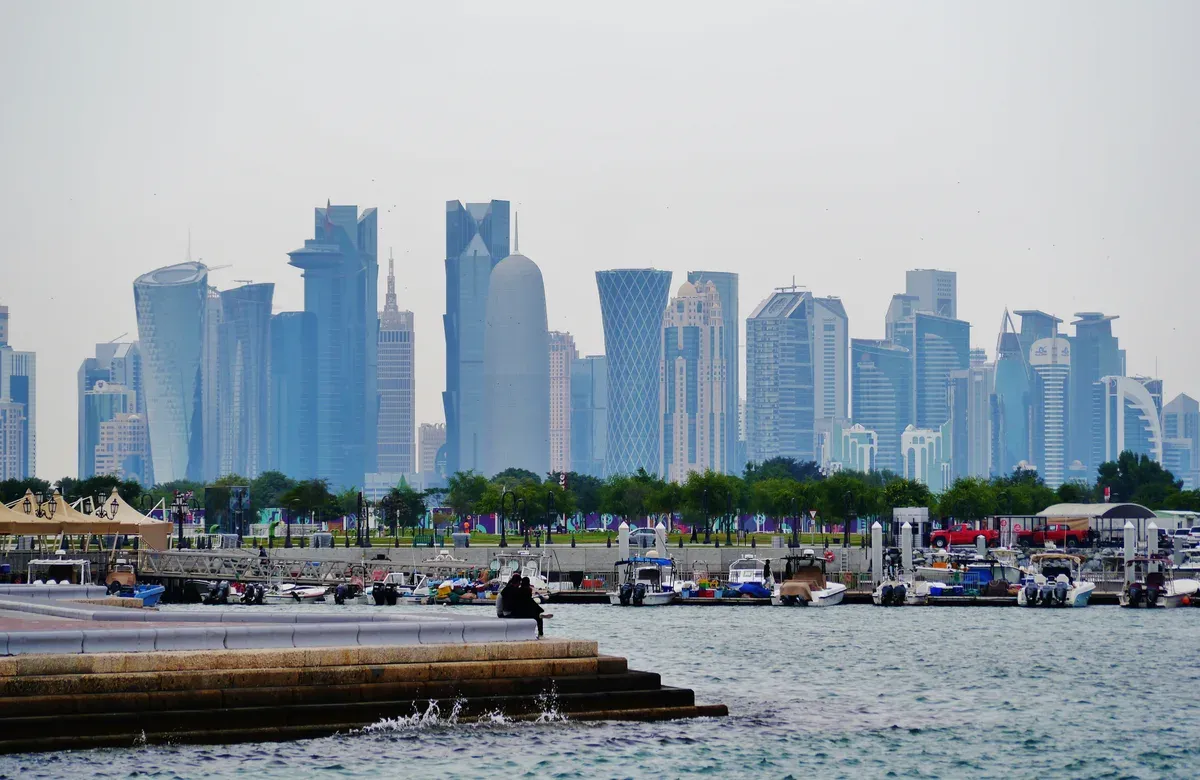
| Hour 1:00 – 3:00 | Visit Museum of Islamic Art (MIA) or National Museum of Qatar + MIA Park | Walk floodlit Corniche waterfront & West Bay skyline viewpoint | Museum: QAR 50 ($13.75) | Corniche Walk: Free (QAR 0) |
| Hour 3:00 – 5:30 | Explore Souq Waqif spice/falcon alleys + lunch & Msheireb Downtown | Late dinner & karak tea at 24h Souq Waqif spots (Al Shujaa / Zaatar w Zeit) | Meal & Karak: QAR 25–80 ($7–$22 USD) |
| Hour 5:30 – 6:30 | Return to HIA via Gold + Red Line Metro (18 mins) or Uber | Return to HIA via Uber (15 mins) or rest at $14 Discover Qatar hotel | Return Metro: QAR 2 ($0.55) | Uber: QAR 35 ($9.60) |
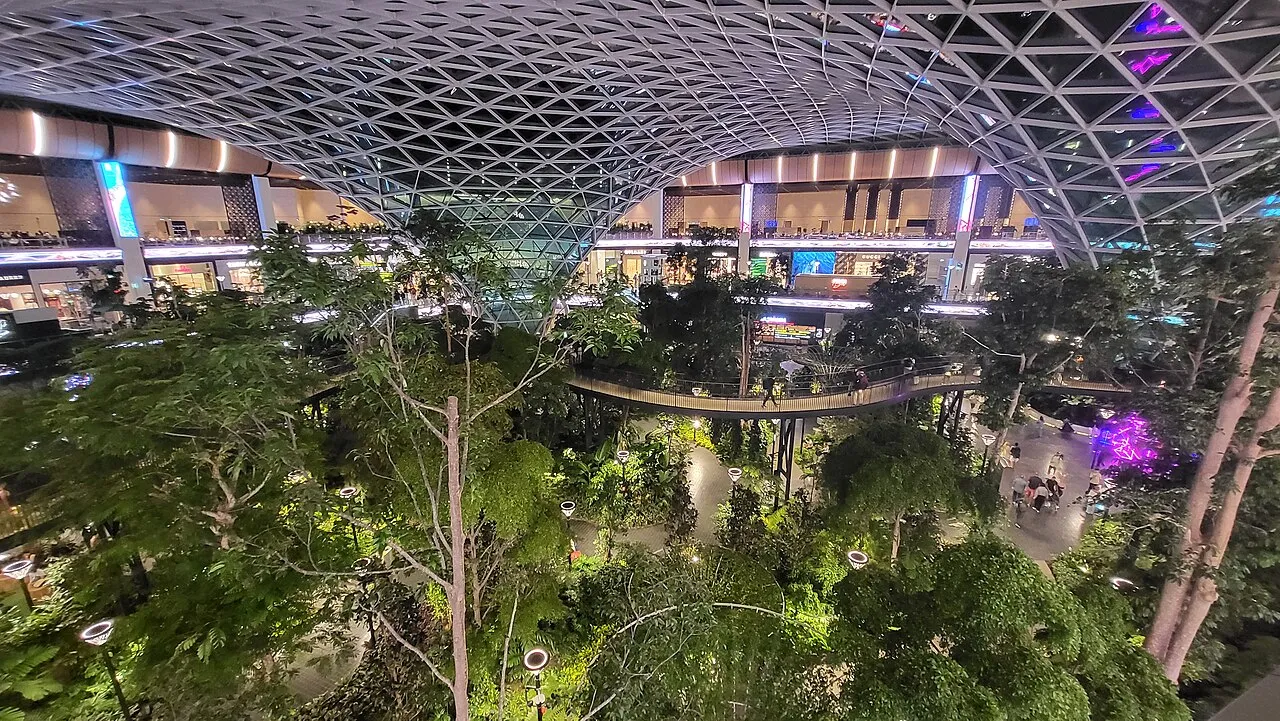
| Hour 6:30 – 9:00 | Clear HIA departure security, visit The Orchard & board onward flight | Clear security, optional Vitality shower (QAR 90) & board flight | The Orchard: Free | Shower: QAR 90 ($25 USD) |
Honest Time Accounting
Begin with honest time accounting. Nine total hours becomes substantially less when deconstructed. Deplaning, immigration, and customs consume thirty to sixty minutes depending on arrival volume. Transportation to Doha's attractions requires twenty to forty-five minutes depending on destination and traffic. Similar return time, plus thirty minutes of buffer, must be added. Airport security for departure, particularly during busy periods, can extend beyond an hour. Most airlines recommend three-hour advance arrival for international flights. These requirements, combined conservatively, leave perhaps three to four hours for actual exploration—meaningful time, but not abundant.
The Case FOR Exploring
The case for exploring rests on several pillars. Cultural enrichment represents primary justification—experiencing Doha, even briefly, provides insights into Gulf society, Islamic artistic traditions, Arabian hospitality, and Qatar's specific developmental trajectory. These experiences broaden perspectives in ways airport lounges cannot replicate. Travel memories often center on places experienced rather than airports transited, making brief city visits potentially significant journey components.
Physical and Mental Benefits
Physical benefits also support exploration. Extended sedentary periods across multiple flights create discomfort that walking through souqs or along waterfronts alleviates. Fresh air (though hot) and natural light provide physiological benefits after recirculated cabin atmospheres. Mental engagement with new environments refreshes cognition in ways that passive waiting doesn't achieve. For long-haul travelers with flights exceeding ten hours before and after layovers, the break from aircraft confinement proves valuable.
Economic Efficiency
Economic efficiency weighs favorably when considering that many attractions involve minimal or zero entrance fees. Souq Waqif wandering costs nothing unless you purchase items. Corniche walking is free. Museum of Islamic Art admission is QAR 50 ($13.75 USD) for non-resident adults (children under 16 free). Even transportation costs remain reasonable—Doha Metro from the airport to Souq Waqif and back costs just QAR 4 ($1.10 USD) round-trip, or $20–25 USD round-trip by Karwa taxi/Uber. Against airport dining costs, which run high everywhere, the exploration expense becomes comparable to staying confined.
The Case AGAINST Exploring
The case against exploring involves risk management primarily. Missing flights creates cascading problems—rebooking fees, missed connections onward, potential overnight accommodation needs, and significant stress. Though the actual risk remains low when departing conservatively, risk-averse travelers may find the anxiety undermines enjoyment. Immigration complications, while rare given visa arrangements, represent small possibility requiring consideration. Physical exhaustion from exploration followed by continued travel affects some passengers negatively, particularly on overnight segments where sleep becomes essential.
Practical Circumstances That Matter
Practical circumstances influence decisions considerably. First-time layover visitors face steeper learning curves than return travelers familiar with Doha's geography and systems. Solo travelers move faster than groups, particularly groups with children requiring attention. Seasons matter—summer explorations in forty-degree Celsius heat differ substantially from winter visits with pleasant temperatures. Flight timing affects decisions—daytime layovers facilitate different explorations than overnight stopovers.
Who Benefits Most from Exploring
Certain travelers particularly benefit from exploration. Those with specific cultural interests—Islamic art enthusiasts, architecture students, Arabian culture scholars—find Doha's offerings directly relevant to their interests. Travelers on extended journeys, accumulating transit time across multiple segments, appreciate activity breaking routine. Photographers seeking Middle Eastern imagery find abundant subjects in Doha's environments. Food enthusiasts eager for authentic Gulf or South Asian cuisines discover exceptional restaurants serving immigrant community populations.
Who Should Stay at the Airport
Conversely, some travelers might wisely remain airport-bound. Those with tight onward connections beyond Doha—where missing the flight creates compounding problems—should eliminate risk. Travelers experiencing illness or excessive fatigue serve their wellbeing better through rest than activity. Those with significant valuable luggage (though luggage typically checks through) might feel uncomfortable distancing from possessions. Travelers with mobility limitations face potential challenges in souq environments with uneven surfaces and significant walking requirements.
The Middle-Ground Approach
A middle-ground approach suits many situations. Explore, but choose single destinations requiring minimal logistics. Souq Waqif, with its proximity and variety, accomplishes much within limited time. Stick to covered areas during hot seasons. Maintain constant awareness of time, setting multiple phone alerts for airport return. Have taxi company numbers ready rather than depending on street hailing. Keep critical documents and some currency on your person rather than in checked luggage. These precautions reduce risks while enabling exploration benefits.
The Final Verdict
The fundamental question—worth it?—resolves differently for each traveler based on weighted priorities. For those valuing cultural experiences, physical activity, and memory creation, nine-hour stopovers provide sufficient time for meaningful Doha engagement when planned carefully. For those prioritizing certainty, rest, and risk elimination, airport facilities adequately serve the layover period. Neither choice is wrong; both reflect legitimate travel philosophies. The option's existence, facilitated by Qatar's visa policies and Doha's proximity to its airport, creates choices that many transit hubs don't offer, representing itself a form of value that travelers can appreciate regardless of which option they ultimately choose.
Frequently Asked Questions
Do I qualify for a free Qatar Airways STPC transit hotel on a 9-hour layover?
Yes, a 9-hour layover falls inside the official 8 to 24-hour STPC window. If there is no shorter Qatar Airways connection scheduled on your route and your ticket meets the minimum fare rules, you can claim complimentary hotel accommodation, airport transfers, and a free transit visa—see our Qatar Airways STPC Free Transit Hotel Guide.
Do I need to collect my checked bags during a 9-hour stopover in Doha?
No. On any single-ticket connection under 24 hours at Hamad International Airport, your checked luggage remains checked through automatically to your final destination. You only exit into Doha with your carry-on daypack.
How much money do I need for a 9-hour self-guided layover in Doha?
A self-guided 9-hour trip to Souq Waqif and the Corniche can cost as little as QAR 45–80 ($12–$22 USD) per person total, including a QAR 10 reusable Metro card + QAR 4 round-trip fare ($3.85 total) and QAR 30–65 ($8–$18) for a traditional Qatari meal and karak tea.
What if my 9-hour Doha layover lands at 11:00 PM or midnight?
If your 9-hour layover spans overnight (e.g., 11:00 PM to 8:00 AM), you can either take a 15-minute Uber (QAR 35–45) to Souq Waqif's 24-hour restaurants and floodlit alleys, or book a 4-star/5-star hotel near the airport for 5–6 hours of real bed sleep.
Related Articles
- Al Mourjan vs Al Maha Lounge at Hamad Airport (2026): Access Rules, Prices (QAR) & Which to Choose
- Qatar Airways STPC Free Transit Hotel Rules 2026: Eligibility, 8–24h Connections & How to Claim
- Discover Qatar Stopover Hotels Ranked: Best 4-Star & 5-Star Picks by Metro Access (2026)
- Overnight Layover in Doha: What's Open at Midnight & Late-Night Itinerary (2026)
- Hamad Airport Guide: Lounges & Tips
- Is Doha Safe? Safety Guide for Tourists